
Are Japanese Pokémon Cards Worth Grading in 2026?
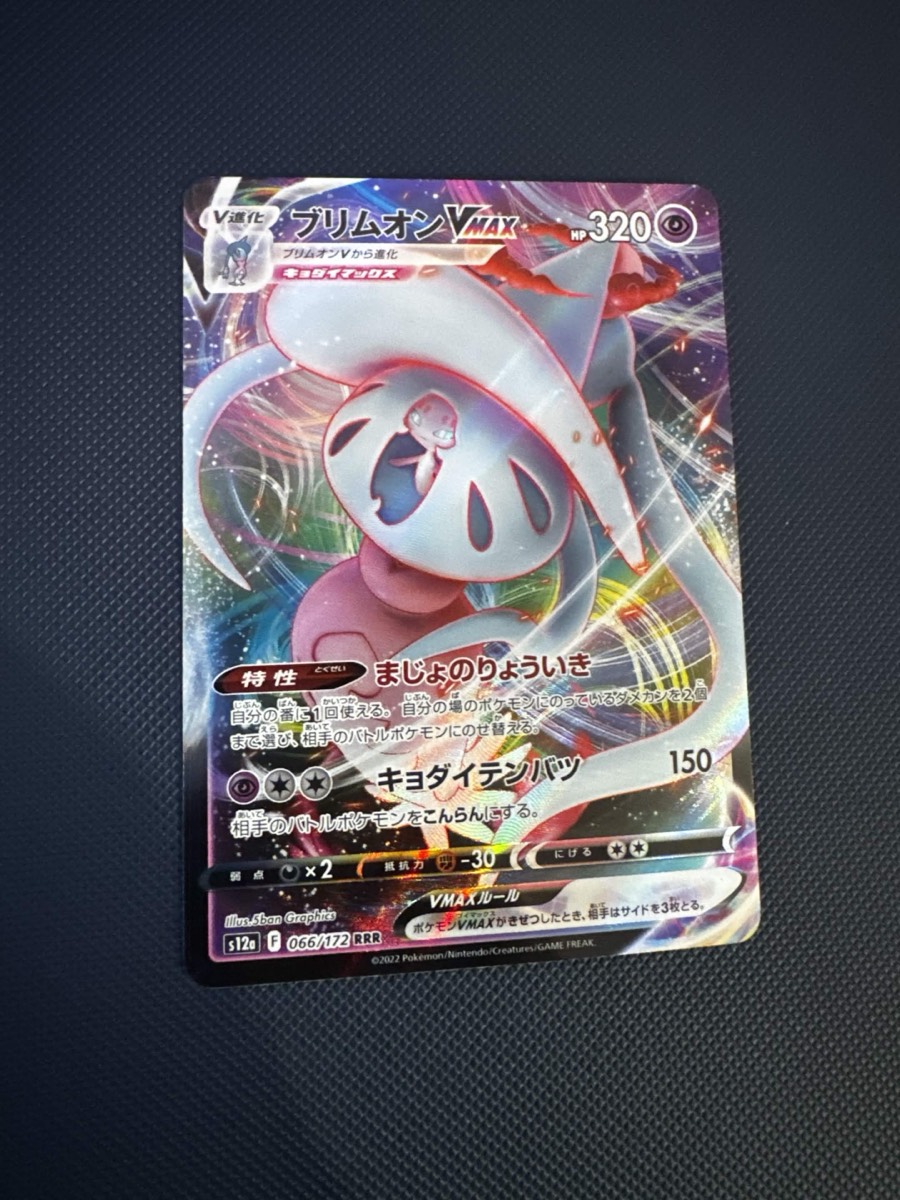
Japanese Pokémon cards have exploded in value. Here's what you need to know about grading them — standards, market premiums, and which sets to prioritize.
Japanese Pokémon cards were the originals — the TCG launched in Japan in 1996, two years before the English release. And in 2026, the market for graded Japanese cards has never been stronger.
Key Differences: Japanese vs English Grading
All major grading companies (PSA, BGS, CGC, SGC) grade Japanese cards on the same scale. However, there are important differences:
- Centering tolerance: Early Japanese cards (1996–2000) were printed with less precise centering. PSA graders apply slightly wider tolerance for factory-standard off-center cards from this era.
- Print quality: Japanese cards from the original era used different ink and paper than US cards. Surface wear reads differently under examination.
- Rarity system: Japanese Base Set uses ● (Common), ◆ (Uncommon), ★ (Rare) symbols — graders note this in the label.
- No "Edition" marks: Japanese Base Set cards don't have 1st Edition stamps — all first-print copies look identical.
Which Japanese Sets Are Worth Grading?
Not all Japanese cards are equal. Focus on:
- Base Set (1996) — Charizard, Blastoise, Venusaur. Gem Mint copies command 10–20× raw prices.
- Jungle & Fossil (1996–1997) — Particularly the "No Rarity" variants (cards printed without rarity symbols) which are some of the rarest Pokémon cards ever made.
- Vending Machine Series — Extremely rare cards originally sold in Japanese convenience store vending machines.
- CoroCoro Promo Cards — Issued with Japanese gaming magazines. PSA 10 copies are exceptionally scarce.
- Recent Japanese exclusives — Cards not released in English (Pikachu VMAX promos, regional exclusives) can command significant premiums.
Tips for Photographing Japanese Cards
Japanese cards often have more reflective holofoil than their English counterparts, making photography tricky. Use indirect lighting from the side, shoot at a slight angle to the holo pattern, and take multiple shots to find the one with least glare.
Market Outlook
Japanese graded card prices have risen significantly as collectors recognize the historical significance of the original printings. PSA 10 Japanese Base Set Charizards regularly exceed $10,000. CGC has also entered the Japanese market strongly, with their Pristine 10 designation particularly sought after for condition-sensitive Japanese holos.